Croton River Fishing Spot
- Last Modified By: vinny60 on 09/07/09 05:54 PM
- Ask about Croton River in our Fishing Forums
Photos

Fish Species
Comments
-
A challanging time to fish this river is from mid-August to September during the "Trico" hatch. Of course, you need to be on the river by daybreak, but it's an fantastic experience! More typically, early in the season, you can try your luck on the surface with Blue-winged Olives or Blue Duns in sizes 16-18. If that doesn't produce the hoped for results, it may be necessary to resort to weighted wet flies, streamers, or nymphs. Some flies to try are the Muddler Minnows, and the black stonefly . As summer progresses, the hatches become more plentiful and varied. From the end of May to well into June it's the time to experiment with your Pale Evening and Sulphur Dunns, along with the Adams. In July the caddis and the terrestrial are more productive.
Croton River Baits and Tackle
Casting & Trolling Spoon;22 Check Prices
- GREEN SPOON ADDED GREEN GRUB
- CASTING SPOON WITH GREEN GRUB
Other Check Prices
Crankbait Check Prices
- crankbait shallow runner shad
Topwater Bait Check Prices
- TOPWATER POPPER SHAD
- RAPALA POPPER BLACK & SILVER RED FEATHER HOOK !!!
- RAPLA TOPWATER BLACK & SILVER
- REPELA TOPWATER BLACK & SILVER FEATHER HOOK
- VERY NICE PICKERAL ON TOPWATER GREAT FIGHT
- CHUG BUG & SPINNERBAIT
- Chug Bug
- STILL WATER TOPWATER POPPER
- STILL WATER TOP WATER
- RAPALA TOPWATER POPPER SLIVER & BLACK !!
- RAPALA TOPWATER POPPER
- TOPWATER BLACK & SILVER POPPER
- STILLWATER TOPWATER
- POPPER SILVER & BLACK
- POPPER
- BLACK & SILVER POPPER
- GHOST TOPWATER POPPER
- TOPWATER POPPER
- topwater pencil
Lipless Bait Check Prices
- L TRAP CRAWFISH
Croton River Description
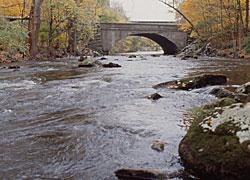
The Croton River is a river in southern New York that begins where the East and West Branches of the Croton River meet a little ways downstream from the Croton Falls Reservoir. Shortly downstream, the Croton River, along with its tributary, the Muscoot River, flow into the Muscoot Reservoir, and after flowing through that, it empties into the New Croton Reservoir, which feeds the New Croton Aqueduct supplying water to New York City. Excess water leaves the spillway at the New Croton Dam, and finally empties into the Hudson River at Croton-on-Hudson, New York. The East Branch is perhaps one of the best known trout streams in the Croton Watershed system, and close enough to New York City and its suburbs to make it accessible. An easy ride of about one hour from Manhattan contributes to its popularity with the urban fly fisher. The size of its trout can be impressive. You can find the monsters you're looking for in its deep pools, like Phoebe Hole, not an easy task, mind you, but certainly possible. What can be most enjoyable is the challenge of discovering trout resting behind the rocks, along the shady banks, under fallen logs. Most likely it will be a brown, but rainbows are not uncommon. The East Branch of the Croton River is a "classic suburban trout fishing experience.
The Croton River (pronounced /?crow-t?n/) is a river in southern New York that begins where the East and West Branches of the Croton River meet a little ways downstream from the Croton Falls Reservoir. Shortly downstream, the Croton River, along with its tributary, the Muscoot River, flow into the Muscoot Reservoir, and after flowing through that, it empties into the New Croton Reservoir, which feeds the New Croton Aqueduct supplying water to New York City. Excess water leaves the spillway at the New Croton Dam, and finally empties into the Hudson River at Croton-on-Hudson, New York.